Qoves AI is a portrait analysis platform that treats the face as a measurement problem before it treats it as a beauty question. Under the hood, your browser detects 478 facial landmarks, and Qoves AI converts those points into normalized geometric ratios — outer eye span divided by face width, mouth width divided by face width, face height divided by face width. Those ratios anchor everything else: an AI review that documents what it sees, six scored dimensions, and a set of reversible style experiments. For the analytically minded, Qoves AI is what facial analysis looks like when the pipeline is allowed to show its work.
Most facial analysis apps bury their math. Qoves AI puts it on the page. The tool measures three key proportions and explains the methodology behind them:
Dividing by face width normalizes for head size, which is what makes the Qoves AI ratios comparable across photos — provided you control the variables the platform keeps warning you about. Distance changes apparent proportions, angle changes everything, and a consistent camera height and distance make the two-dimensional ratios meaningfully comparable. This is textbook photogrammetric hygiene, and it is refreshing to see Qoves AI state it plainly. When the FAQ asks whether an ideal face ratio exists, the Qoves AI answer is a firm no: ratios describe this image and help you reproduce the comparison, full stop.
Landmark coordinates alone are trivia. The middle layer of the Qoves AI pipeline is an AI review that reads the portrait alongside its measured ratios and produces findings with a strict structure: each one cites visible evidence, explains a limitation, and proposes a reversible change to test in a second photo. A hair-and-styling finding, for instance, notes that waves cross the outer cheek on both sides, admits that hair volume and shadow can widen or narrow the apparent outline in this frame, and suggests pinning the hair back on one side for a controlled retake. An outline-and-contours finding observes that part of the silhouette follows the hair, states that side profile depth remains unassessed from a front view, and instructs the user accordingly.
This three-part structure — evidence, limitation, next test — is what makes the Qoves AI report auditable. You can disagree with a Qoves AI finding because the evidence is right there, and you can falsify it with a retake, which is more than can be said for any face-scoring app that hands you a number and moves on.
The Qoves AI scoring framework decomposes the portrait into six assessable dimensions: feature relationships, outline and contours, visible texture, hair and styling, eyes and expression, and light and composition. Each Qoves AI dimension score reflects the evidence available in the submitted photo, and the Qoves AI report explicitly records when evidence is limited or a feature cannot be assessed — a front view cannot yield profile depth, and heavy shadow can invalidate a texture reading. The total score is the rounded mean of all six, available only when all six can be assessed, and the bands run from Very Weak (0–19) through Mixed (40–59) to Strong (80–100).
Just as notable is what Qoves AI refuses to claim. The scores are photo-specific reference values with no population percentile and no calibration against human raters. In a category flooded with pseudo-precise numbers, a tool like Qoves AI that documents the boundaries of its own metrics is doing better science than most.
Qoves AI converts measurement into a repeatable experimental protocol:
That loop is genuinely rare. Consumer facial analysis usually ends at the score; Qoves AI ends at a decision, backed by two comparable photos and a documented change between them.
Technically, Qoves AI runs as a browser-first application — the landmark detection itself executes client-side, with the photo sent to OpenRouter for the Qoves AI analysis pass. Qoves AI saves reports and measured ratios to the account; the source photo is not retained. Style Studio edits are delegated to WaveSpeed, and the hosted result link surfaces with the output. Access is via Google sign-in, with credits metering both reports and edits under monthly or yearly allowances. Uploads accept JPEG, PNG or WebP up to 10 MB. None of this is hidden: the FAQ documents the full Qoves AI data flow, which is the kind of operational transparency that analytic users should expect as a baseline and rarely get.
How does Qoves AI detect facial landmarks? The 478-point detection runs client-side in your browser; Qoves AI then normalizes the points into three ratios over face width before any AI review begins.
Are the Qoves AI ratios standardized? They are reproducible, not idealized. Qoves AI states that no ideal face ratio exists and that distance, pose and perspective affect every measurement it takes.
Can Qoves AI be audited? That is the design. Each Qoves AI finding ships with visible evidence, a stated limitation and a falsifiable next test, so you can verify or reject it with a retake.
Does the Qoves AI score generalize? No. The platform documents that scores are photo-specific references without population percentiles or calibration — a boundary most facial analysis tools never admit.
What runs where in the Qoves AI pipeline? Landmark detection in-browser, AI analysis via OpenRouter, Style Studio renders via WaveSpeed — and the source photo is not retained after the Qoves AI report is saved.
Is Qoves AI free to try? Access runs on credits with Google sign-in; Qoves AI lists monthly and yearly allowances on its plans page, so you can scale usage to the experiments you actually run.
Qoves AI stands out in the AI facial analysis category precisely because it behaves like a measurement system. Four hundred seventy-eight landmarks become three normalized ratios; ratios become documented, falsifiable findings; findings become controlled experiments with matched retakes; and the whole Qoves AI pipeline states its limitations at every step. No percentiles, no ideal-ratio mythology, no untraceable scores. If you want facial proportion measurement that respects the scientific method — and a Style Studio to boot — Qoves AI is the most rigorous tool in this space we have reviewed.
Project Moon Life is a browser simulation where a resident’s health, sanity, resources, and relationships shift as each decision changes the next year.

Premium undetected game modifications, HWID spoofers, and free gaming tools designed for seamless performance, maximum stability, and account safety.
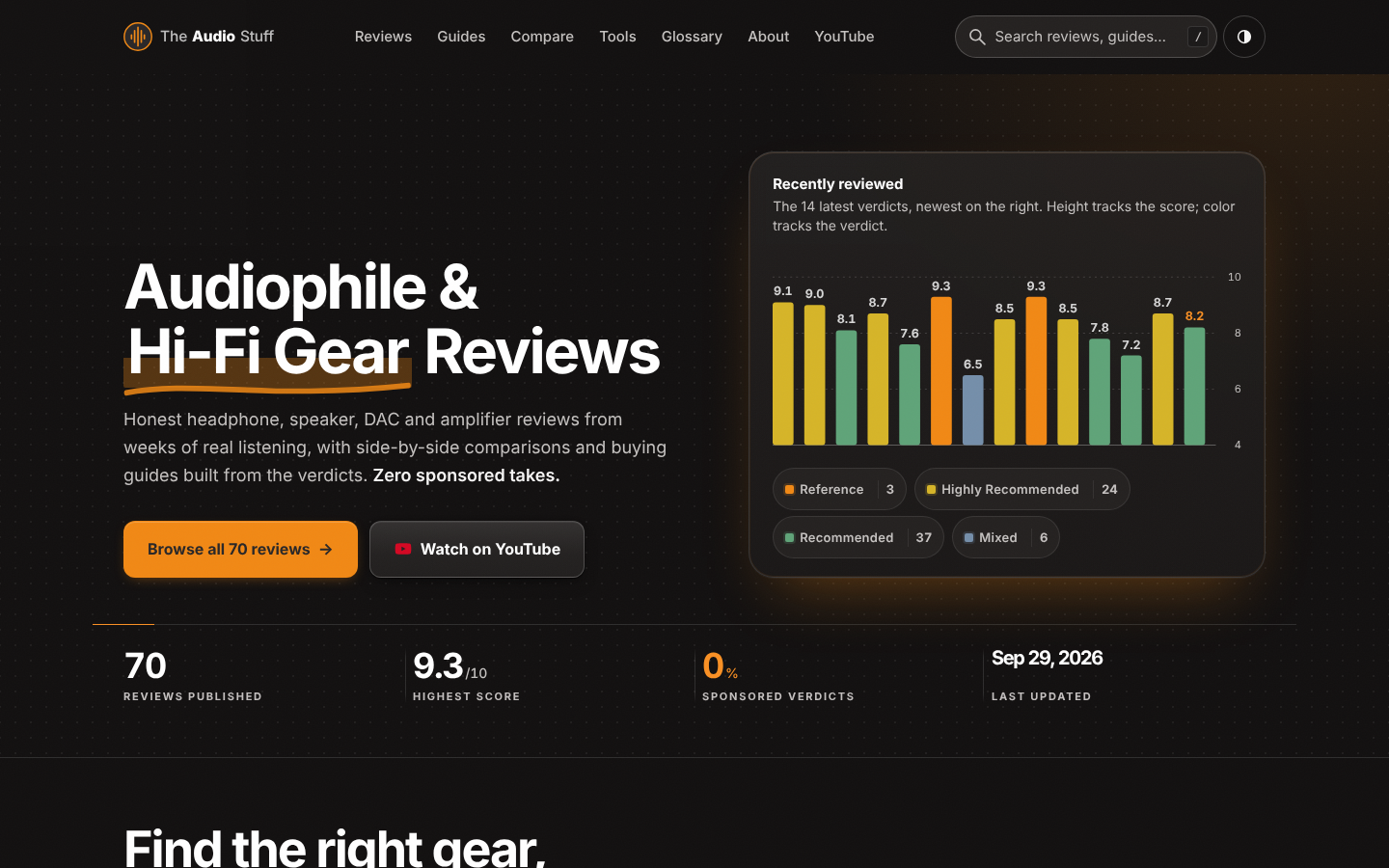
Find the right hi-fi gear for your ears, room and budget: ad-free reviews from weeks of listening, 12 buying guides, 35 comparisons and 17 free audio tools.

Get Face Report is an AI-powered facial analysis and personal styling platform that helps users understand their facial features

Antique Scanner reads hallmarks, maker's marks and wear in your photos — and returns an honest identification with age and value ranges.
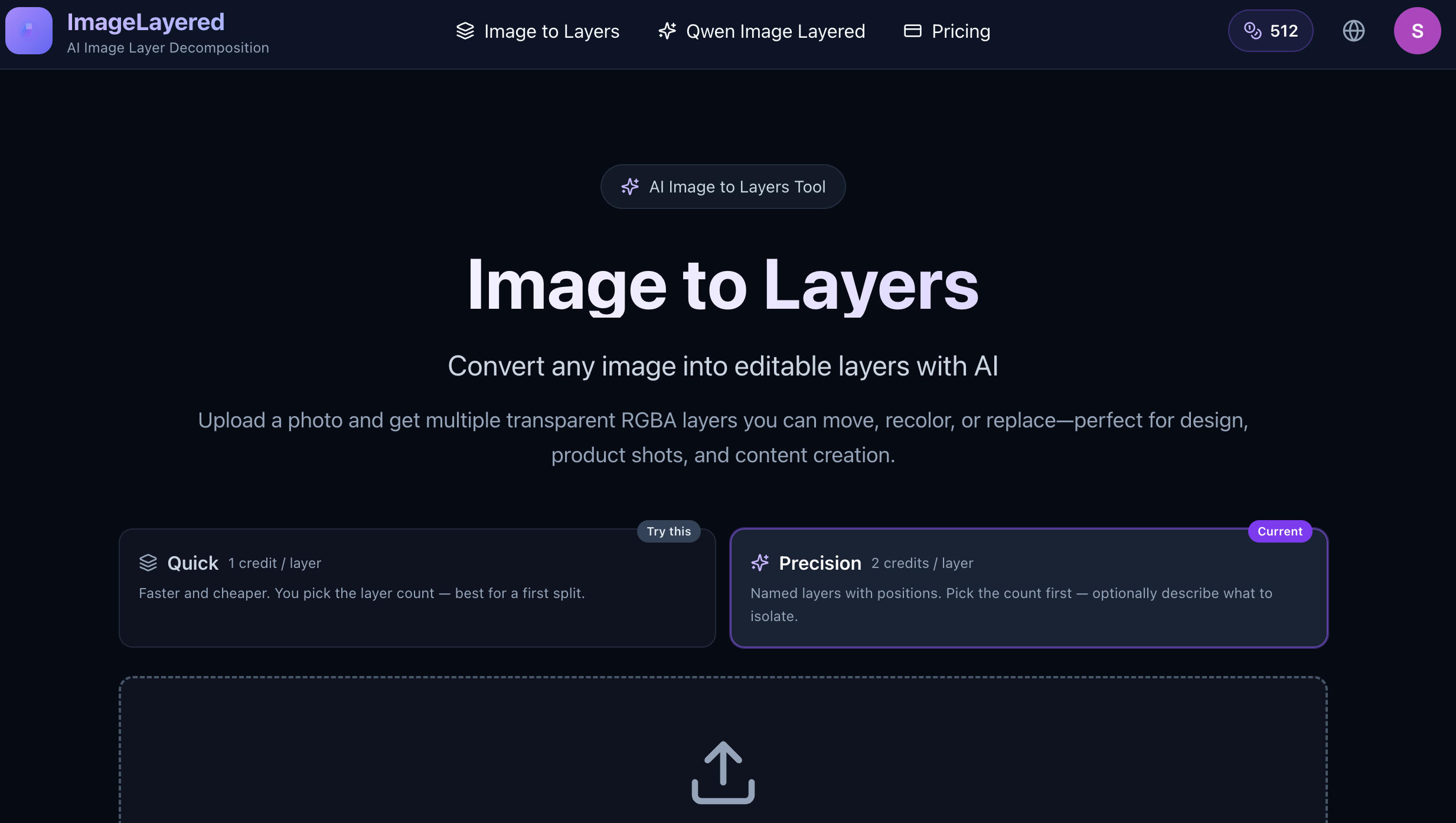
Turn Flat Images Into Editable Layers.
