It is 9 p.m., the kids are asleep, and there are forty minutes before bed. In the old routine this window belonged to scrolling marketplace listings, comparing the same three Prizm cards from four sellers, and closing the tab without buying anything. In the Packz routine, the same window holds an entire session: deposit a fixed amount, open a few packs, make a keep-or-sell call on each pull, and finish with either mail on the way or a balance rolled forward. This is what that evening actually looks like.
The scenario matters because Packz is a product built for exactly this kind of short, self-directed session. It is a platform where you open digital packs of real sports and Pokemon cards, and every pull either ships to your door or sells back instantly. Nothing is scheduled, nothing needs a group, and the whole Packz loop fits inside a small window of free time. The service runs under Packz, Inc., reachable at support@packz.io, and the Tuesday-night pattern below is the use case its design seems to anticipate.
The evening starts on the Packz homepage, not at checkout. Before touching the balance, there is a habit worth keeping: watch the Recent Hits feed. Packz shows a live stream of the latest pulls from its community, which reads like a slot attendant's tape of what the platform is actually returning tonight.
Some entries are base cards. Some are numbered inserts. Once in a while a big one scrolls past, and the All Time Biggest Pulls leaderboard above the feed shows where the ceiling sits: the top card and watch pulls on Packz, ranked by value, with the product and the user attached to each. Watching the Packz feed for two minutes is the cheapest research in the hobby. It costs nothing and calibrates expectations better than any advertisement.
There is a discipline trick hidden in this step. Decide the evening's deposit before opening the Packz site, write it down, and let the Recent Hits tape be the only thing you consume until the decision feels boring rather than exciting. The Packz feed makes outcomes vivid, and vivid outcomes pull money toward packs. Watching with a pre-set budget turns the same Packz feed into information instead of temptation.
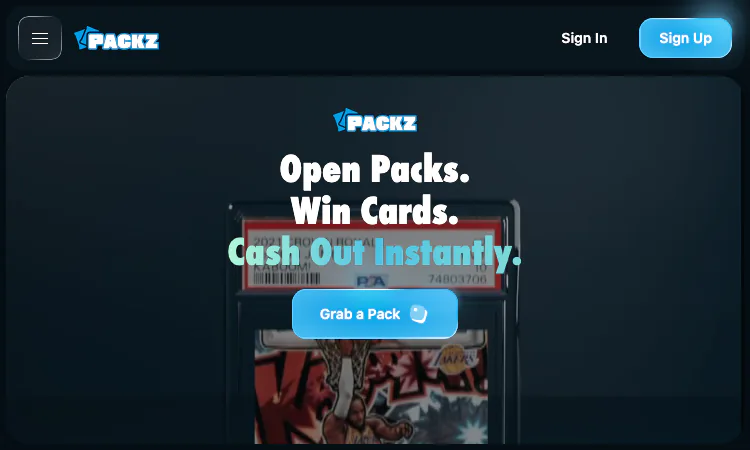
With the budget set, the session moves to the pack pages. Packz divides its catalog into Sports Packs, covering premium cards from the NBA, NFL, MLB, and international leagues, and Pokemon Packs, covering rare Pokemon cards from the latest sets and special collections. The site's keywords also mention graded cards, and the hero art shows graded slabs, so a pull can arrive already slabbed.
The opening itself is the product. One click, the pack runs, and the cards land in the account. There is no livestream to join, no break slot bought days in advance, no host mispronouncing a rookie's name while your card sits in someone else's hands. On Packz the pack opens when you click it, which is the entire difference in feel: the rip belongs to you, on your schedule, at your pace.
A Packz session also scales down cleanly. If the forty minutes shrink to ten, one pack still works as a complete experience: open, fork, done. If the evening stretches, the Packz balance holds across as many packs as the budget allows. Nothing on Packz punishes a short visit or rewards a marathon, which is rarer than it sounds in products built around variable rewards.
Each pull on Packz arrives at the same fork, and this is where the evening's real decisions happen. The options are printed into the product's own title: ship or sell back instantly.
Tonight's imaginary session runs hot and cold in the normal way. The first pack produces two cards nobody wants; both sell back to Packz immediately, and their cash value lands in the Packz balance, ready for the next pack or an eventual withdrawal. The second pack produces a numbered rookie insert. That one ships: Packz sends the physical card to your address, and mail-day is scheduled.
The fork is per card, not per pack, which is the detail that makes a short session coherent. Nothing needs to be bundled, listed, photographed, or haggled over. A forty-minute Packz session can end with exactly one card worth keeping, a balance roughly where it started, and no administrative tail lasting into the rest of the week. Compare that with the marketplace routine, where the tail, messages, offers, shipping labels, can outlast the purchase by days.
The sell-back branch also changes what a dud means. In a retail box, a dud is a dead end: cardboard into a binder, value zero. On Packz the same dud converts to balance on the spot, so the evening's worst case is a smaller number next to the wallet icon rather than a row of unwanted cards. Over a month of Tuesdays, that difference compounds into either fewer regrets or more packs, depending on the user's discipline with withdrawals.
Packz runs on a prepaid balance. The evening's fixed deposit is the session budget, packs draw against it, and sell-backs refill it. Cashing out goes through identity verification, which is done once, early, because Packz moves money outward as well as inward. The checkout flow includes US ZIP checks, which points to a US-first service area.
Two numbers stay behind the login: pack prices and pull odds. The Packz landing page does not publish either. The working habit is to decide the deposit amount before signing in and treat the Recent Hits feed on Packz as the honest preview of variance. An evening on Packz stays fun exactly as long as the budget is fixed in advance; the platform makes opening frictionless, so the discipline has to come from the user.
The withdrawal habit deserves its own line in the Tuesday routine. Because sell-backs settle into the Packz wallet instantly, the natural end-of-evening move is a withdrawal of whatever is left, so the next session starts with a deliberate deposit instead of a leftover balance. Users who adopt that rule report that Packz sessions stay a hobby; users who skip it tend to find the balance quietly becoming next week's packs.
The Tuesday-evening pattern suits a specific kind of Packz collector. Someone who wants the rip without the retail hunt. Someone with more money than time for listings and shipping labels. A parent whose hobby window is forty minutes after bedtime. A Pokemon fan who wants pulls from the latest sets without committing to a full booster box.
It suits them less well if the goal is one specific card for a PC slot, since packs are chance and Packz is not a singles shop. It also assumes comfort with a digital opening preceding a physical card, which takes one Packz session to feel normal. The Tuesday pattern also assumes a US address, given the ZIP checks in the Packz checkout. For everyone else, the evening ends the same way it began: quietly, on schedule, with Packz handling the parts of the hobby that used to eat the week.

Flying Roadster AI Video Generator uses car references and optional portraits to make a defined flight sequence, with selectable resolution, framing, credits.

Project Moon Life is a browser simulation where a resident’s health, sanity, resources, and relationships shift as each decision changes the next year.
Premium undetected game modifications, HWID spoofers, and free gaming tools designed for seamless performance, maximum stability, and account safety.
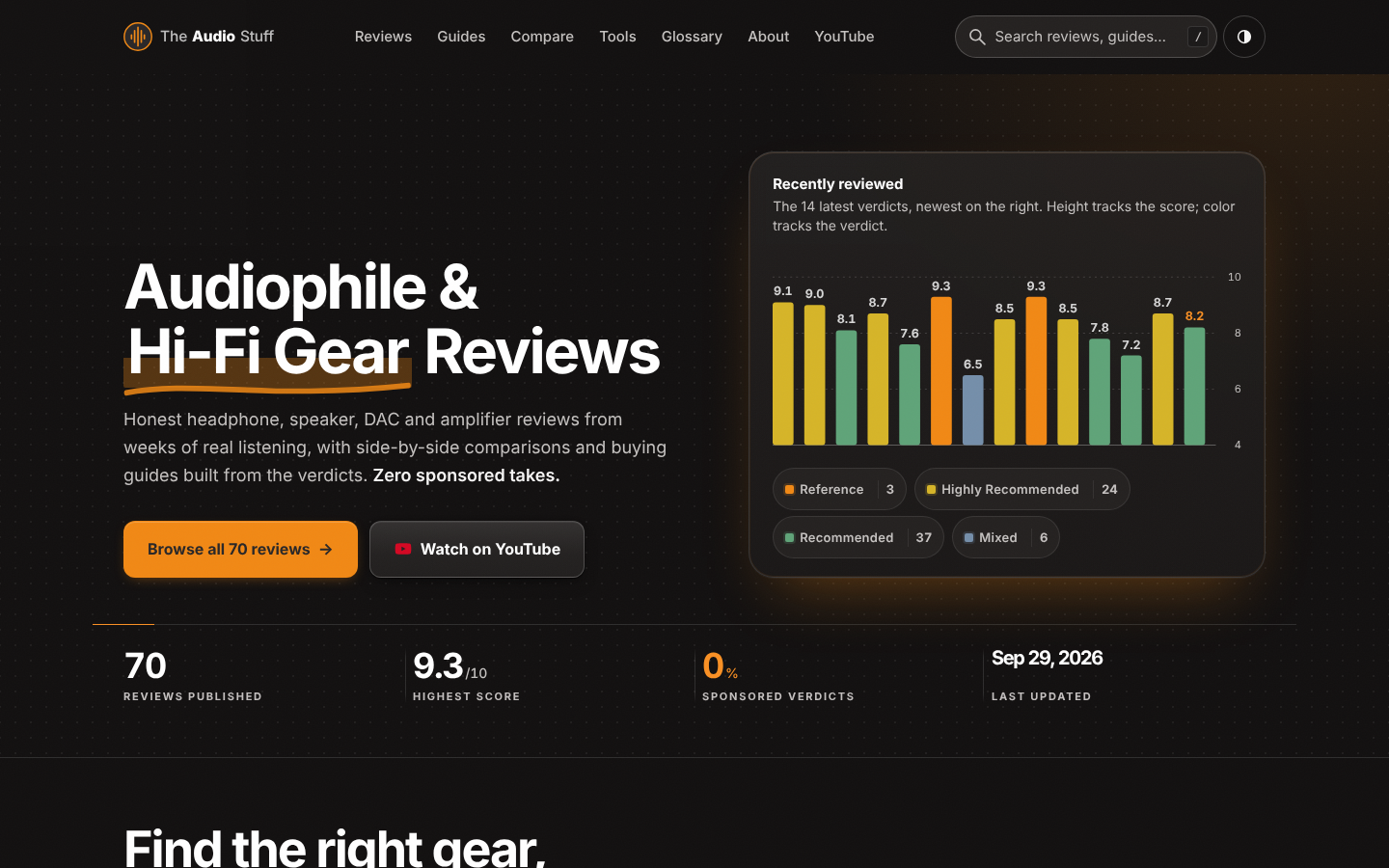
Find the right hi-fi gear for your ears, room and budget: ad-free reviews from weeks of listening, 12 buying guides, 35 comparisons and 17 free audio tools.

Get Face Report is an AI-powered facial analysis and personal styling platform that helps users understand their facial features

Antique Scanner reads hallmarks, maker's marks and wear in your photos — and returns an honest identification with age and value ranges.
