Before cashback sites, a careful UK shopper worked through a familiar routine. Search the shop's name plus "voucher code". Open five code aggregators, most showing expired offers. Try three codes at checkout, watch two fail, accept the third. Then check a loyalty app, then a price-comparison site in another tab, and finally buy, tired, having saved perhaps five pounds after twenty minutes of effort.
The routine had a structural problem: every tool in it was working for someone else. Code sites earn commission on your click. Loyalty schemes pay in points priced by the retailer. Comparison sites take fees from the providers they list. The shopper did all the work and kept the smallest slice. Quidco exists to invert that arrangement, and this comparison walks through what changes when Quidco replaces the manual routine.
Quidco is a UK cashback site with more than 5,000 retailers on its list. Instead of paying shoppers in points or vouchers, Quidco pays cash, because the underlying flow is cash: the retailer pays Quidco a commission for the referral, and Quidco returns most of it to the member.
The comparison with the old routine is direct. The code aggregator kept the commission and gave you a code. Quidco hands you the commission itself and, on each retailer's Quidco page, also lists the codes that are safe to combine with cashback. One Quidco habit replaces a scatter of tabs, and the reward is denominated in pounds rather than points.
Consider a household replacing a washing machine, which is the kind of purchase the manual routine was built for.
Under the old routine: find the model at a major electricals retailer such as Currys or Argos through a search engine, hunt for codes across several sites, apply one that may or may not work, and finish. The commission for that sale went to whichever site owned the last click, which was probably the search engine's shopping unit or a code site.
Under the Quidco routine: search Currys or Argos on Quidco, read the current rate and terms on that Quidco retailer page, click through, and buy. Quidco tracks the purchase to your account, the retailer later confirms it, and the Quidco cashback becomes payable, withdrawable to PayPal or a bank account. The shopping itself took the same effort. The difference is where the referral money went.
The voucher-code part of the old routine deserves its own Quidco comparison, because it is where cashback most often breaks. Retailers can void the commission when an order carries a code they did not authorise for affiliate use, which means a random code from a random site can silently cost you the Quidco cashback.
The Quidco answer is to list, on each retailer's page, the codes that retailer permits alongside Quidco cashback. Quidco is blunt about the rule: use codes from the retailer's Quidco page, or the cashback may not track. In practice Quidco turns code-hunting from an open search into a single lookup, and it removes the conflict between the code and the cashback that the old routine never managed.
The deeper difference between the two approaches is what they ask of you. The manual routine demanded effort per purchase: search, verify, retry. Because the effort repeated every time, people applied it selectively, on big purchases only, and forfeited the small daily ones. Quidco asks for one habit instead: start at Quidco, or let the Quidco browser extension prompt you when you reach a participating shop.
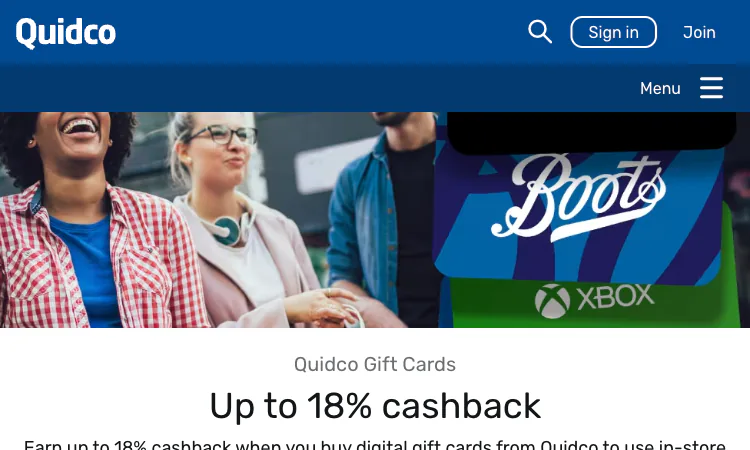
Once installed, the Quidco habit covers takeaway orders, clothing, the weekly groceries at Tesco, a Deliveroo evening, train tickets through Trainline, a hotel via Expedia. Quidco also extends to in-store spending through a linked card at up to 6.8%, and to Quidco gift cards at up to 18%, two channels the manual routine never touched at all.
The manual routine also had no answer for insurance and broadband. Quidco Compare lists insurance, broadband and mobile deals, where the commission on a single annual policy can exceed a year of code-hunting savings. There is no voucher-code equivalent for a car insurance policy, which is exactly why the service wins that round by default.
The comparison is not entirely one-sided, and Quidco would not want it described that way. The old routine paid instantly: a working code reduced the checkout price immediately, while Quidco cashback is paid only after the retailer confirms the purchase and settles with Quidco, which can take weeks or longer. Someone who needs the saving today gets more from a code today than from Quidco.
Quidco cashback can also fail to track, and while Quidco offers an enquiry process to chase missing purchases, resolution is not guaranteed. A few purchases will sit outside the 5,000-retailer Quidco list, where the old habits remain the only option. There is also a psychological difference worth naming. The old routine produced anxiety at checkout, because the saving depended on finding a code in the final minute. The Quidco routine produces none of that, because the cashback is locked in by the click that started the purchase. The saving moves from the end of the process, where pressure lives, to the beginning, where it costs almost nothing.
The old routine also had one demand the comparison should keep alive: attention at the moment of payment. Quidco moves that attention to the moment of entry instead, which is a fairer place to spend it.
The pricing on both sides is worth stating plainly. The manual tools were free to use and paid themselves from commission they kept. Quidco basic membership is also free, and Quidco likewise pays itself from the commission stream, except Quidco shares the stream with you. A Quidco Premium tier at £1 a month, deducted from cashback only in months you shop, lifts rates by up to 25% at selected retailers for heavier users.
For a shopper who buys online more than a few times a month, the arithmetic has already decided. Quidco collects the referral money the old routine leaked, from more than 5,000 retailers, and pays it back as cash. The tabs close; the pounds arrive later; the effort drops to one Quidco click.

Flying Roadster AI Video Generator uses car references and optional portraits to make a defined flight sequence, with selectable resolution, framing, credits.

Project Moon Life is a browser simulation where a resident’s health, sanity, resources, and relationships shift as each decision changes the next year.
Premium undetected game modifications, HWID spoofers, and free gaming tools designed for seamless performance, maximum stability, and account safety.
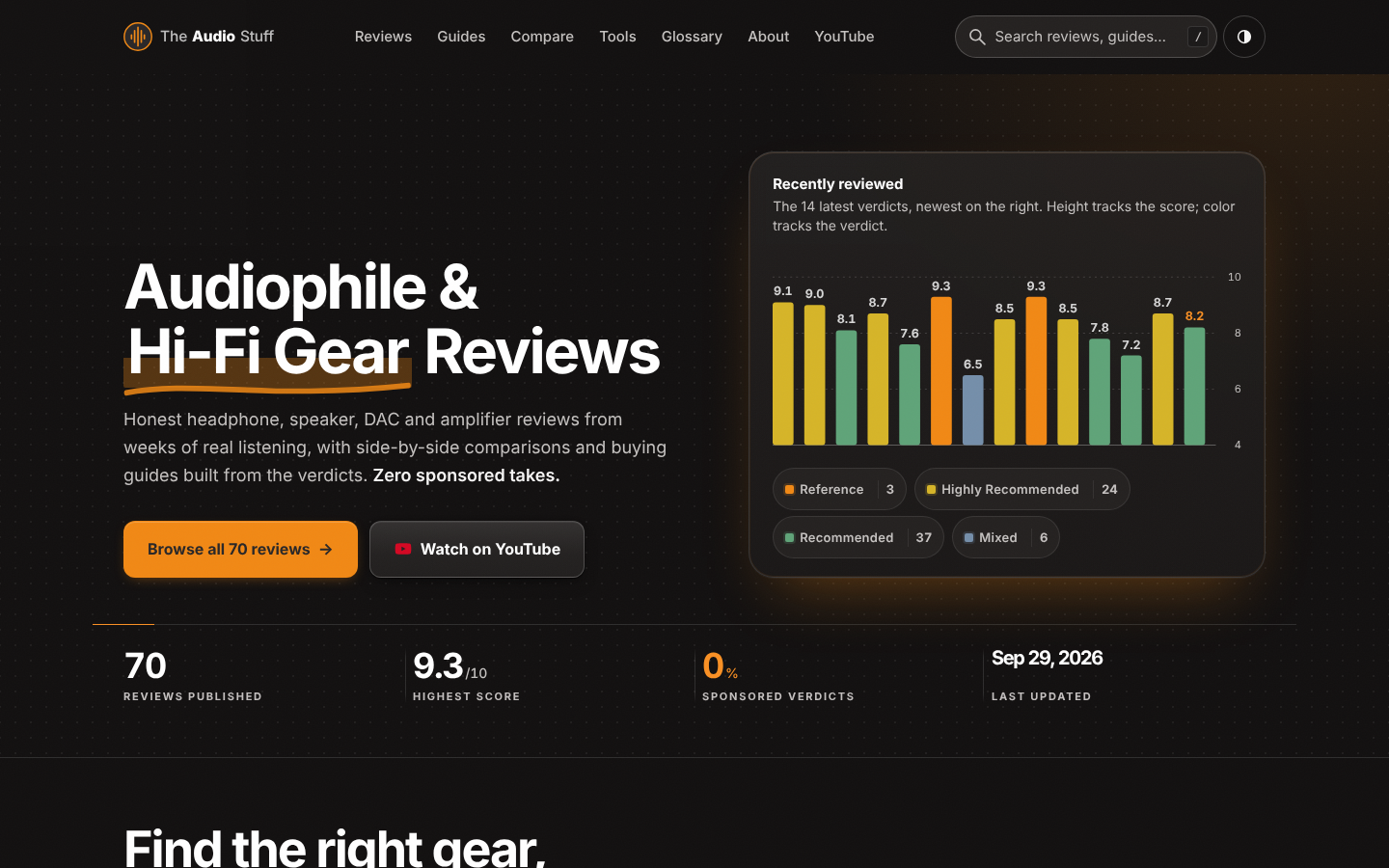
Find the right hi-fi gear for your ears, room and budget: ad-free reviews from weeks of listening, 12 buying guides, 35 comparisons and 17 free audio tools.

Get Face Report is an AI-powered facial analysis and personal styling platform that helps users understand their facial features

Antique Scanner reads hallmarks, maker's marks and wear in your photos — and returns an honest identification with age and value ranges.
