Picture a bakery owner named Maya. Two employees, one oven, a loyal neighborhood crowd, and a phone that buzzes with questions from the moment the lights go on. Her Tuesday, as it used to run, was a sequence of interruptions: answer the same three questions by message, update the chalkboard menu by hand, chase a flour supplier about a price change, and somehow find time to post something online. Her Tuesday with Runable looks different, and walking through that Tuesday is the clearest way to explain what Runable actually does for a working owner.
The first messages land while Maya is still proofing dough. Do you deliver on Thursdays. Is the rye sold out. Can I reserve the Saturday box. These are the support questions the Runable site says its Grow stage is built to absorb, and in Maya's setup Runable drafts or answers them from her FAQ and policies. She glances at the thread Runable keeps on her phone, approves one unusual request, and keeps shaping loaves.
This is the quietest feature of Runable and the one owners notice first. Runable holds context — the menu, the hours, the delivery rules — so repetitive questions stop being a person's job. The company's own case pages for Runable claim support requests down 50 percent in two weeks for a business like hers. The saving is quiet too: nothing dramatic happens, the phone simply stops demanding attention before the oven is even warm.
Between customers, Maya opens the Runable app on her phone. She records a thirty-second voice note about the new cardamom buns. By the time she has washed her hands, Runable has turned the note into a caption, cut a short vertical clip from the video she shot yesterday, and queued the carousel of bun photos for the afternoon slot. Scheduled posting is a Grow-stage behavior inside Runable: the content goes out on its calendar without Maya remembering to press anything.
The edit-time claim the company cites for Runable — six hours down to forty minutes per episode for a podcast host — belongs to a different trade, but the shape of the saving is the same. With Runable doing the first draft and the mechanical cutting, neither task is hers anymore.
After lunch there is a task that never used to survive a busy day: the flour supplier raised prices, and she suspects a competitor's quote would be lower. Asking Runable to build a comparison chart takes one message. Runable gathers the numbers she gives it, checks the supplier pages she links, and returns a small table with the annual difference marked. The company's examples for Runable include exactly this kind of artifact — comparison charts, lease summaries, a contract clause Runable flagged that would have cost one user $600.
Maya is not outsourcing judgment to Runable. The chart from Runable is a draft she checks; the clause catch is a flag for her to take to a human professional. Runable accelerates the reading and the arithmetic, and Maya stays the decision maker.
Late afternoon is when the older version of her week used to fall apart: sign-ups for Saturday's baking class, reminders to the people who booked, a look at whether last week's newsletter actually opened. All three now run as standing jobs in Runable. Sign-ups and reminders happen automatically — that phrase is the company's own description of what Runable does in the Grow stage — and open-rate monitoring means the next newsletter draft from Runable starts from what worked, not from a guess. The Runable site cites an 18 percent open-rate lift in one of its stories.
Her customer list lives in a database that came free with the Pro plan of Runable, and Stripe handles the class payments. None of this required her to learn a new platform; Runable built the pieces and connects them for her.
At night Maya spends ten minutes in the Runable chat, not two hours catching up. Runable reports what sold, what was asked, what posted, and what needs her tomorrow — a price drop Runable is tracking, a renewal date approaching on the oven lease. Then she closes the app, the same Runable she could reach from her DMs during the day.
The Tuesday she just had used to be a fantasy of some future hire. Consider what changed hands: four customer questions answered, one caption and one clip produced, one supplier comparison built, three standing jobs run without prompting, and one short digest at the end. A part-time assistant covering that list would cost more each week than Runable costs in a month, and would still need onboarding, sick days, and a phone that rings after hours.
The apps for Runable run on iPhone and iPad, macOS, and Android, with Windows marked coming soon. Her plan is Pro at $20 a month for 25,000 credits plus 1,500 daily; she started on the free tier of Runable and its 1,500 daily credits, which need no subscription at all, and upgraded only when the standing jobs became routine. The free daily allowance is also how she tested the water — two weeks of real questions and real posts before any card was entered.
One honest caveat belongs here. Maya's Tuesday works because her tasks are concrete and checkable — messages, posts, tables, reminders. Runable is strongest where output can be verified at a glance and weakest where taste or liability is involved; the catches Runable makes on legal text are flags, not advice, and third-party reviews of Runable include complaints about slow support. Within its lane, the day-in-the-life view is the fairest test of Runable: pick one real morning of your own and see how much of it Runable gives back.
Flying Roadster AI Video Generator uses car references and optional portraits to make a defined flight sequence, with selectable resolution, framing, credits.

Project Moon Life is a browser simulation where a resident’s health, sanity, resources, and relationships shift as each decision changes the next year.
Premium undetected game modifications, HWID spoofers, and free gaming tools designed for seamless performance, maximum stability, and account safety.
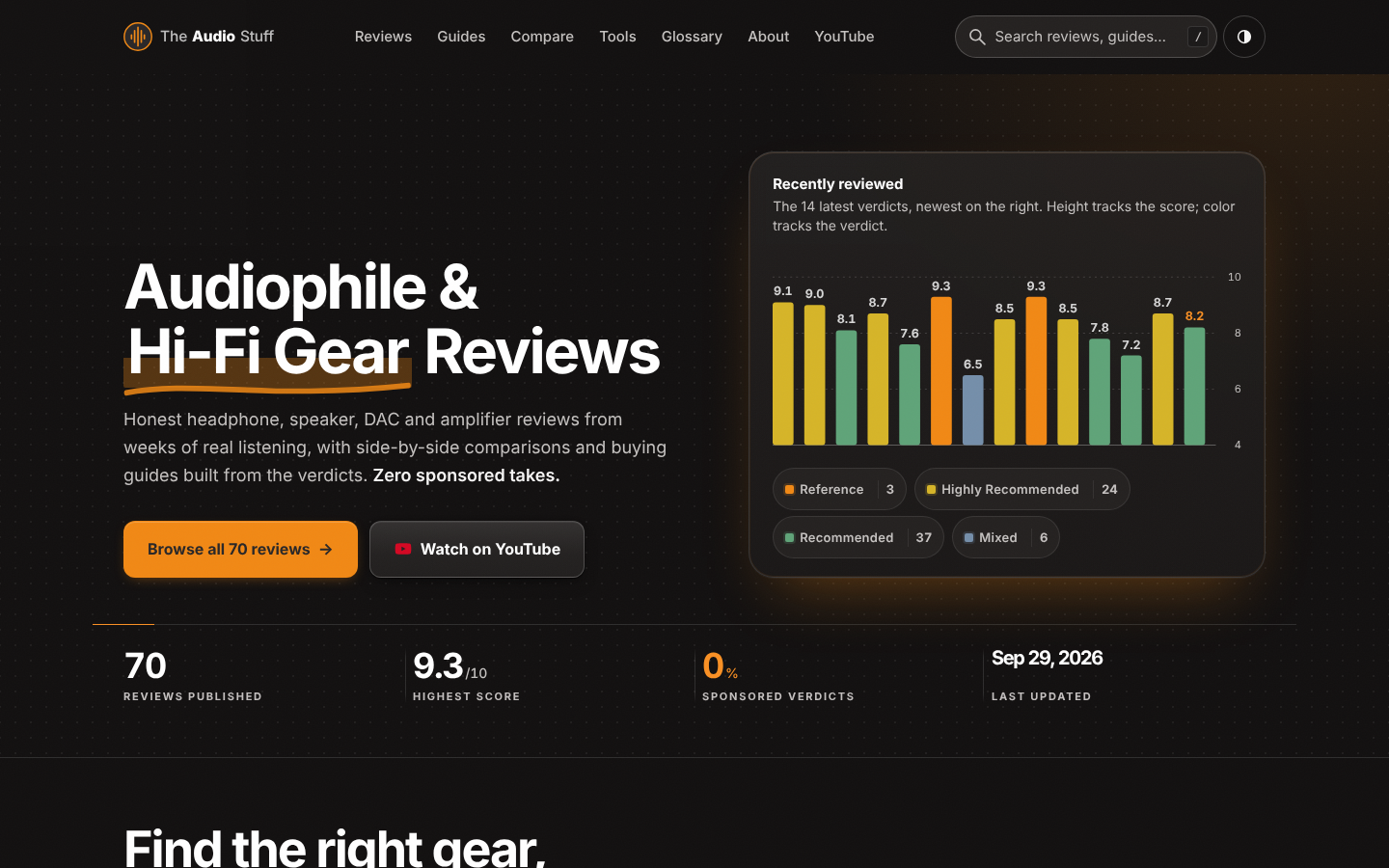
Find the right hi-fi gear for your ears, room and budget: ad-free reviews from weeks of listening, 12 buying guides, 35 comparisons and 17 free audio tools.

Get Face Report is an AI-powered facial analysis and personal styling platform that helps users understand their facial features

Antique Scanner reads hallmarks, maker's marks and wear in your photos — and returns an honest identification with age and value ranges.
