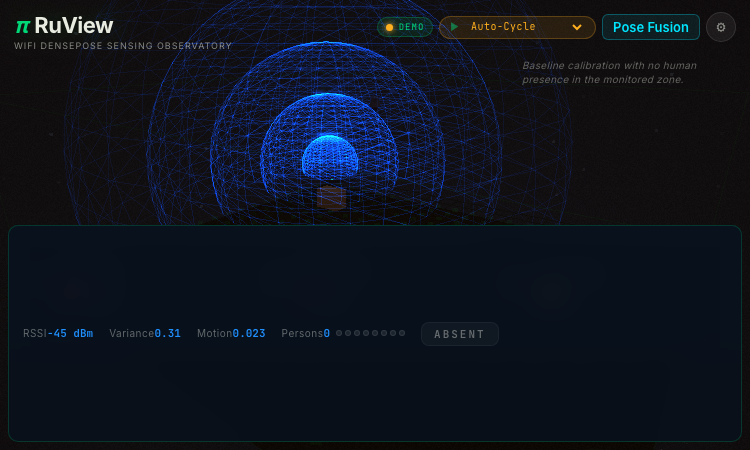
Ruvnet Github is tuned for the kind of smooth, real-time interaction a sensing demo must deliver. Hosted as a lightweight, static project on GitHub Pages, RuView—the WiFi DensePose observatory it presents—loads quickly and renders its scenarios at up to sixty frames per second, so visitors explore WiFi-based human sensing without jank or waiting.
Performance is central here. The value of a sensing demo is in watching the visualization respond, and a slow, choppy experience would kill the wonder. RuView draws on metrics like RSSI, variance, and motion to estimate pose, presence, breathing, and heart rate, and it keeps that rendering smooth across scenarios like empty room, vital signs, multi-person tracking, fall detection, sleep monitoring, and intrusion detection. For a project showing real-time sensing, that smoothness is the whole product.
The architecture supports that speed. Static hosting means a small, cache-friendly payload and near-instant repeat visits, while browser-side rendering keeps the visualization responsive without round-trips to a server. Nothing heavy loads up front, which removes the bottlenecks that make richer demos feel sluggish.
Deepbolt visitors who care about efficient engineering will appreciate the discipline behind Ruvnet Github. It proves a real-time, research-grade demo is mostly a performance and architecture decision: keep the payload small, render in the browser, and let the sensing visualization stay smooth for everyone. Fast, light, and built to explore without friction.
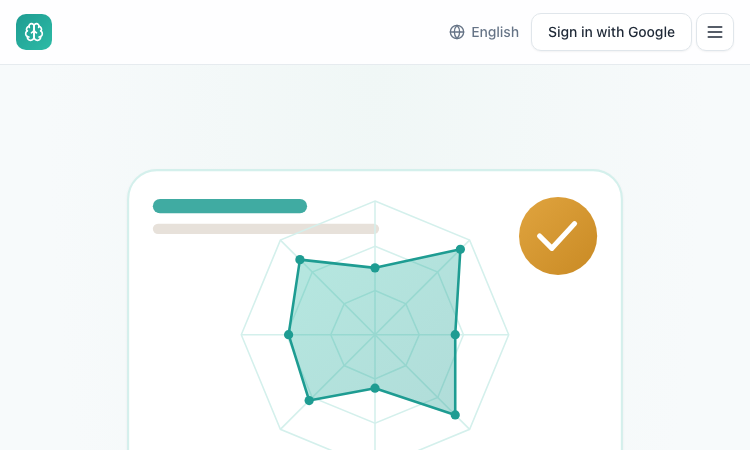
ADHD Test - a fast, lightweight screener that returns results the moment you finish.
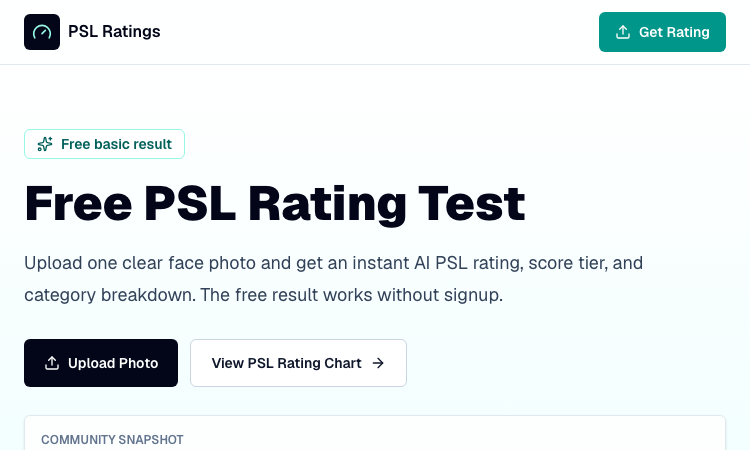
Free PSL Rating breaks your PSL score into harmony, dimorphism, angularity, and presentation.
Generate random speech topics instantly and get AI-powered feedback to become a more confident speaker.
AI-Powered Facial Attractiveness Evaluation
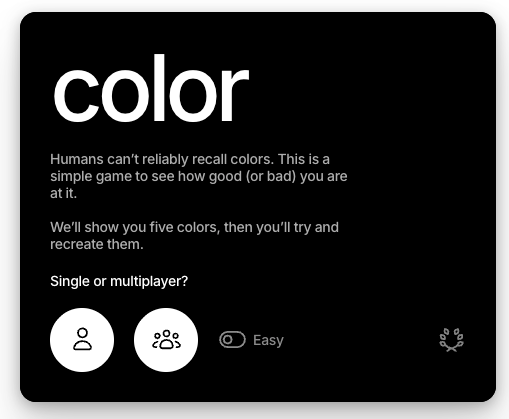
Color Matching App:Test your visual memory in this fun game.
Digital Bouquet: create and share a digital flower bouquet
